
Alpha acids, cohumulone: what are we talking about?

A chemical compound
I don’t believe any distributor sells their hops without mentioning on the label the Alpha Acids (alpha-acids) or AA they contain.
AAs are responsible for the bitterness of beer and contain, among other compounds: humulone , adhumulone and cohumulone .
At Hopstore, we indicate the cohumulone content of hops; it generally represents between 20% and 50% of the hops’ alpha acids, and the higher the level, the more bitterness you can expect, which brewers consider “harsh.” Between 30% and 45% cohumulone, be warned, your palate will definitely feel it!
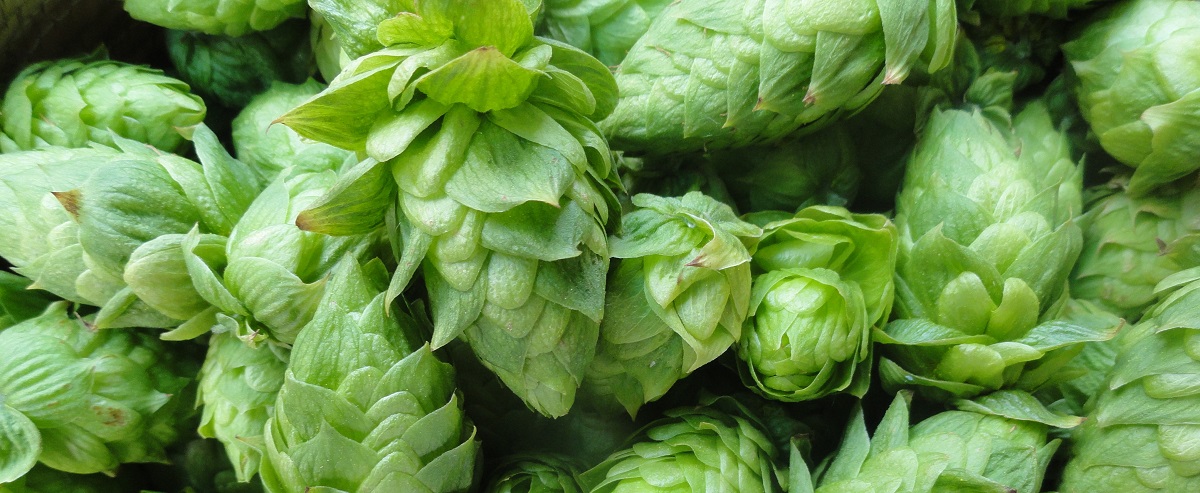
More generally, the higher the AA content in the hops, the more bitter the finished product will be; above 13%, it starts to hit hard and we are often dealing with “bittering” hops, sought after precisely for their bitterness (which in no way prevents aromas, that would be too simple 😉 ). For reference, hops below 5% AA are generally considered aromatic.
In the category of Americanizing agents, we can mention, for example:
- Pacific Gem, which contains between 13 and 18% AA and up to 40% cohumulone (!!)
- Chinook, between 11 and 15% AA and up to 35% cohumulone
- Simcoe contains between 11.5 and 15% AA and up to (only) 21% cohumuone.
You understand here that there is “bittering” and “bittering”: AAs are essential to give a general profile of hops, but cohumulones also count for a lot if you don’t want any surprises.
For bitterness, you have to put it in the pot!
AAs are not soluble in water, which means that soaking hops is not enough to extract them and benefit from their bittering power. This means that dry hopping brings more aroma than bitterness, you followed that!
Alpha acids are produced when lupulin breaks down and hops boil, a chemical process that takes time. This explains why hops are steeped in the broth for at least 60 minutes to allow the alpha acids to be isomerized and released. Isomerization is the chemical process that occurs when the resins in hops boil: this creates a slightly acidic environment that transforms the alpha acids into iso-alpha acids, which are water-soluble and thus become part of the beer’s composition!
Bitterness, yes, but not only that…
Did you know that amino acids have an antibacterial effect that is essential for preserving beer? They have the particularity of not altering the yeasts, which are essential for the fermentation of the beverage.
In fact, hops were originally added to beer more for their preservative properties than for their aroma. Do you know the story of India Pale Ales? Those beers that the English used to increase the amount of hops in to help them survive the journey to India? Which makes you wonder if we could make anti-aging creams with hops… 😉
Health, you say?
Besides their culinary value, they have anti-inflammatory properties and could contribute to the prevention of certain metabolic disorders ( diabetes , metabolic syndrome or cardiovascular diseases) 1 , notably by modifying the blood lipid profile 2. Hmm, to be continued…!
Cheers!
SOURCE: Hop Variety Handbook, Dan Woodske & Growing your own hops, malts, and brewing herbs, John Peragine