

The Hop Hall

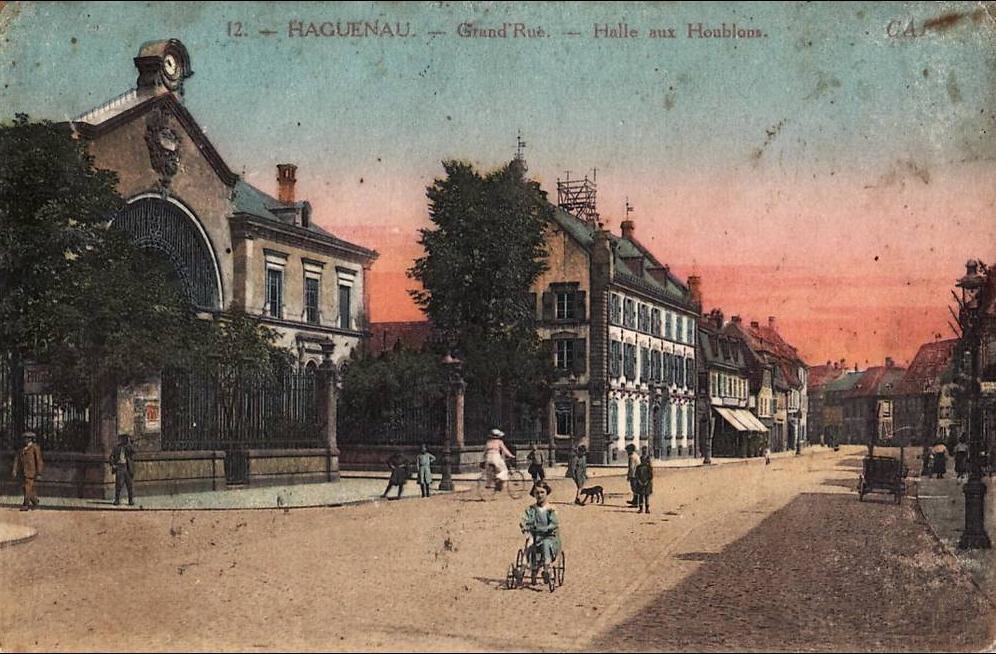
A tourist stroll through places that speak of, promote, breathe, or have pulsed with hops… For this first stop, we’re making a stop at the Hop Hall in Haguenau.
The city of Haguenau
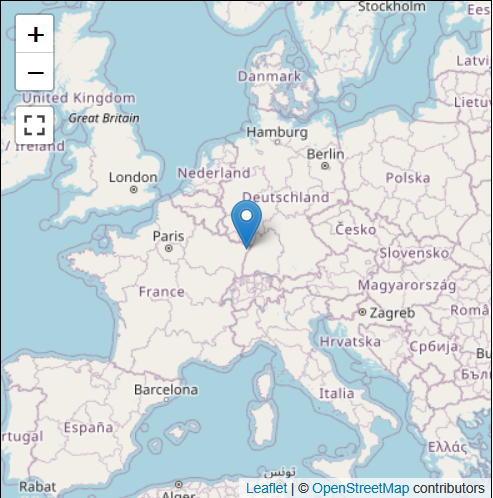
Haguenau is a commune in France, in the Bas-Rhin administrative district of the Grand Est region. Haguenau is located at an altitude of 140 m, twenty-eight kilometers north of Strasbourg . It is part of the Northern Alsace region .
Around 1115, Frederick the One-Eyed, the father of Frederick Barbarossa , built a castle on the island of the Moder (on the site of the current retirement home). It was in the shadow of this “Burg” that Haguenau would be born and develop (the name means “the enclosure of the river”).
Fun Fact: In 1434, Emperor Sigismund decided to grant joint management of the forest to the Grand Bailiff and the City . This marked the beginning of the undivided ownership , which was confirmed by an ordinance of the Council of King Louis XIV on August 28, 1696. The forest then belonged in equal shares to the City of Haguenau and the State. The Undivided Forest of Haguenau is the largest undivided forest in France.
It is the second largest city in the Bas-Rhin department and the fourth largest in Alsace , with a population of approximately 35,000, while its urban area has 60,000 inhabitants [2] . The municipality of Haguenau is notable for its very large area (18,259 hectares, the largest in Alsace). This territory includes a significant forest , which marks a distinct break in the Alsatian plain . The city is situated in a large clearing south of this forest.
History
The Hop Hall was built in 1867 according to the 1864 plans of the municipal architect Guntz.
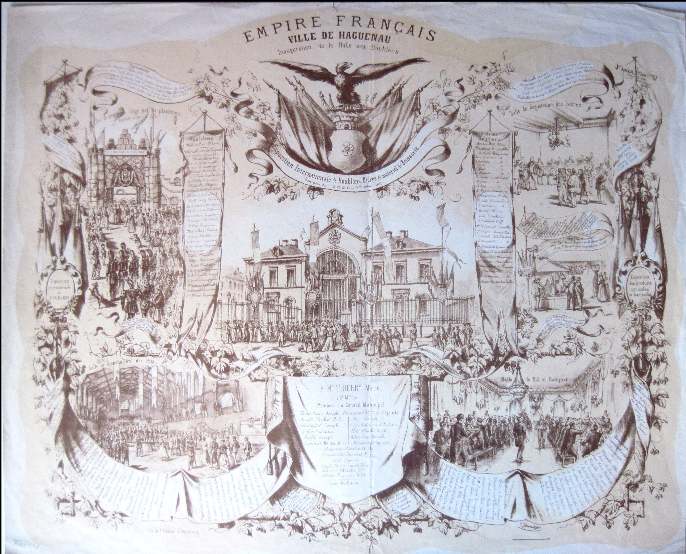
Commemorative poster of the inauguration of the Hop Hall in the City of Haguenau (1867)
Schweitzer, Georges Emile, Draughtsman & Groskost, Frédéric, Jean, Lithographer-Printer
Around 1867 in Strasbourg
Overall height in cm: 43.3
Overall width in cm: 53.0
The different elements that make up this illustration on paper:
Commemorative poster of the inauguration of the Hop Hall in the City of Haguenau (1867)
Triumphal arch erected by the planters giving access to the market hall.
Awards Ceremony Room.
Beer tasting room.
Ballroom and Banquet Hall
At the center, the Hop Hall, venue for the International Exhibition of Hops, Beers and Brewing Equipment.
Under the title, a composition with the arms of the city of Haguenau, flags and an imperial eagle.
Below, a list of participants and personalities.
More details here
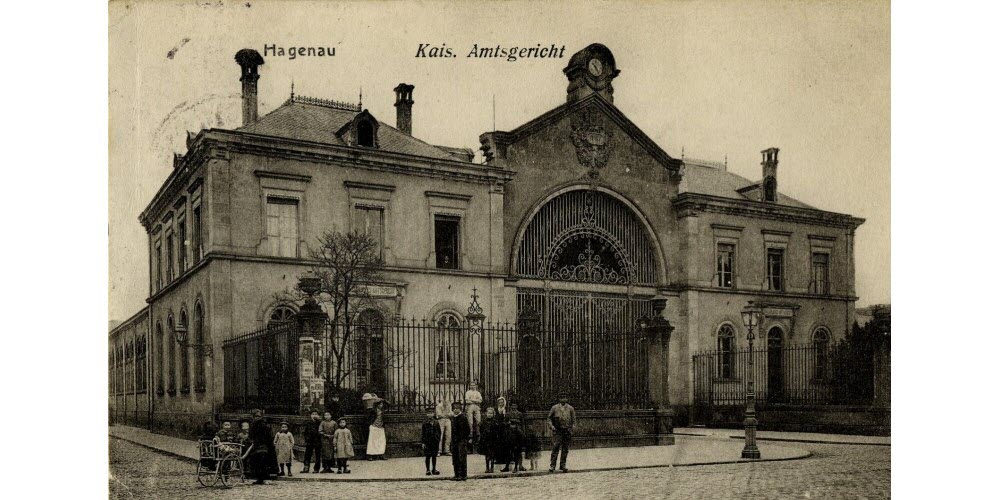
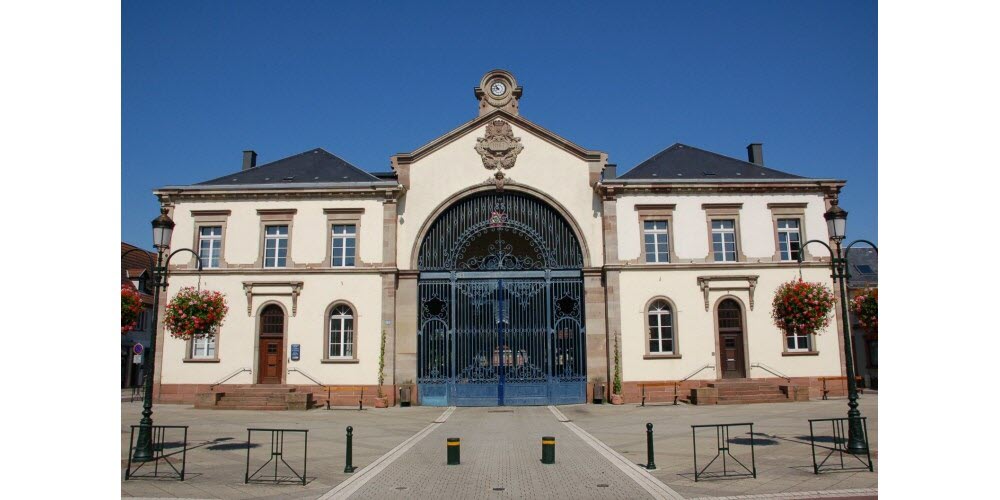
Faced with the challenges of hop cultivation, it was intended to allow Haguenau to become the leading international hop market. It’s worth noting that hop cultivation began around 1808.
In 1881, Mayor Xavier Nessel commissioned architect Charles Stoll to enlarge the Hop Hall, adding four bays and a projecting section. This was because the weekly market was held outside, and farmers were demanding access to the hall. The two wings then served as a courthouse until 1910 (the right wing) and a music school (the left wing). The date 1881 is inscribed on the metal gate at the rear. As the building proved insufficient, a second building, the guildhall, was constructed in 1908. Hop cultivation had expanded considerably in Lower Alsace, reaching 4,689 hectares; Haguenau rivaled major German cities, as evidenced by the numerous railway lines still visible that served the Haguenau station. By 1909, hop cultivation had begun to decline…
Today
It’s a building constructed primarily of sandstone, brick, and iron for the structural elements, covered mainly in zinc and slate. (More info here .) It has a metal frame and a glass roof. Today, it hosts the market (Tuesday and Friday mornings) and other events, such as the dinner shows of the Hop Festival…
And no, the Hop Festival has nothing to do with brewing; it’s a festival of world music and dance, the next edition of which will take place between August 19 and 24, 2025 🙂
This shows that hops are part of French culture and heritage, leaving their mark over time…
***
Source: Wikipedia and the city’s website