What is an organic product?

Yes, well, it seems obvious, but we thought it might not hurt to go back to basics 😉 So here we go!
A product is considered organic only if it is an agricultural product or foodstuff derived from organic farming and, as such, meets the requirements of European legislation [PDF – 208 KB], in particular:
- no use of synthetic chemicals (pesticides, fertilizers, herbicides…)
- no use of GMOs
- respect for animal welfare (transport, breeding conditions, slaughter…)
- For processed products, at least 95% of the ingredients must come from organic farming.
Specifically, the products that may be eligible for organic certification are:
- unprocessed agricultural products (e.g., cereals, vegetables, fruits, cotton, milk, eggs, animals)
- processed agricultural products intended for human consumption (e.g., bread, cheeses, prepared meals)
- animal feed (e.g., soybean meal)
- seeds and vegetative propagation materials .
The following products cannot be considered organic:
- The products of hunting and fishing of wild species (wild boar, sardine, etc.) because it is not possible to control their diet and their breeding conditions.
- Water and salt , because they are not agricultural ingredients.
- Textiles , cosmetics , and other processed products not intended for human or animal consumption are also not covered by the regulations relating to organic farming and cannot be certified as organic within the meaning of these regulations.
However, for this last category of products, if one or more of their agricultural components are organically grown and certified, this can be highlighted on the label (for example: “T-shirt made from organically grown cotton”). Furthermore, such products, if they meet specific requirements, can be certified to a private or non-profit standard.
How are organic products controlled?
All actors in the sector, from producers to retailers, must notify their activity to the French Agency for the Development and Promotion of Organic Agriculture (Agence BIO) . They are audited by approved third-party organizations, such as Ecocert, Certipaq, or Qualité-France.
In addition, the DGCCRF carries out permanent checks on products marketed in the territory, whether they are produced in France or imported.
What are the organic labels?
In addition to the checks carried out by industry stakeholders, to allow consumers to verify the traceability of organic products, two official labels exist:
- The AB logo : this is the French label created by the Ministry of Agriculture and Food. It certifies that a product contains at least 95% certified organic agricultural ingredients. The French AB logo is optional.
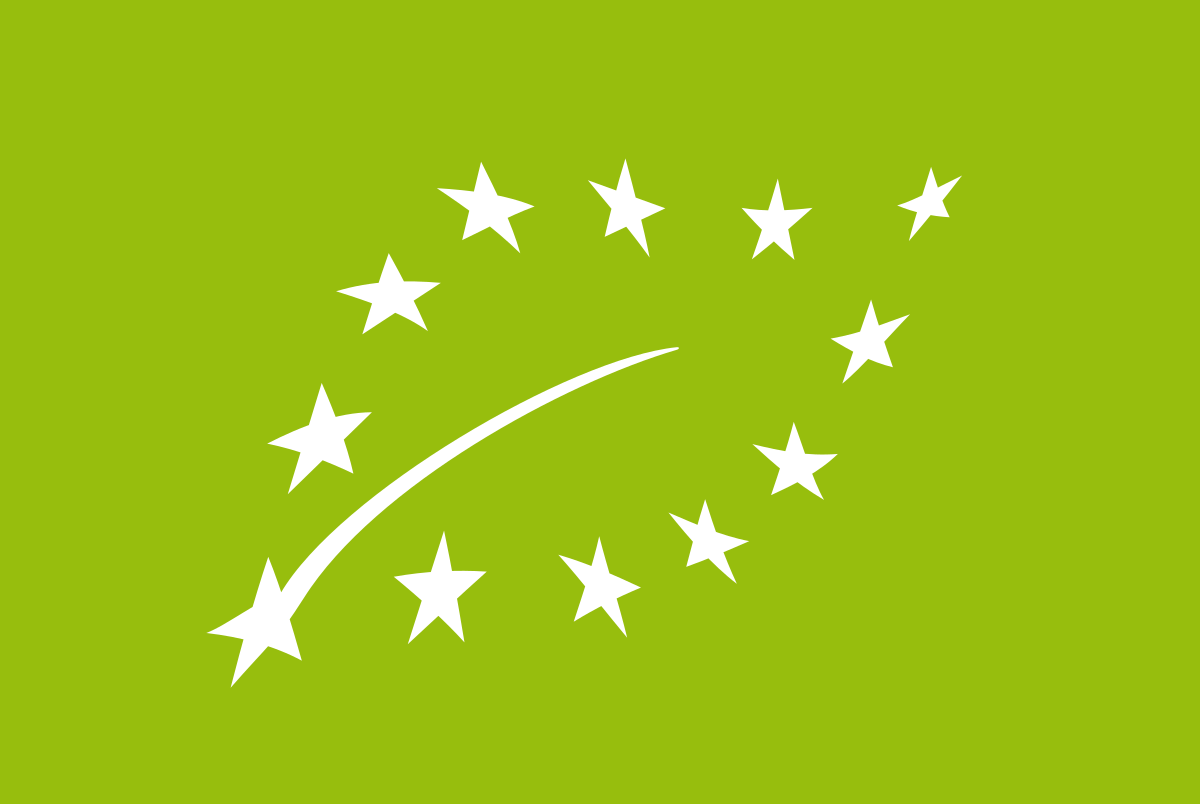
- The Euroleaf logo : this is the European label that identifies products meeting the specifications of organic farming. This EU logo is mandatory for organic products. It must be accompanied by a statement specifying the origin of the raw materials and the number of the certifying body . This number is composed of the international code for the country of production + BIO + a serial number, for example, for a product made in France: FR-BIO-09. The list of accredited certifying bodies in France is available on the Agence Bio website.
For HOPSTORE, the certifying body is FR-BIO-01 (Ecocert)
SOURCES:
https://www.economie.gouv.fr/particuliers/comprendre-labels-bios#