We support Amazon Frontlines


It had been a while since we last did this, but we’re getting back to it because the struggles and solidarity are still so necessary. Here, we wanted to show our support for those who protect water, forests, traditional medicine, and the land.
The History of Amazon Frontlines (AF)

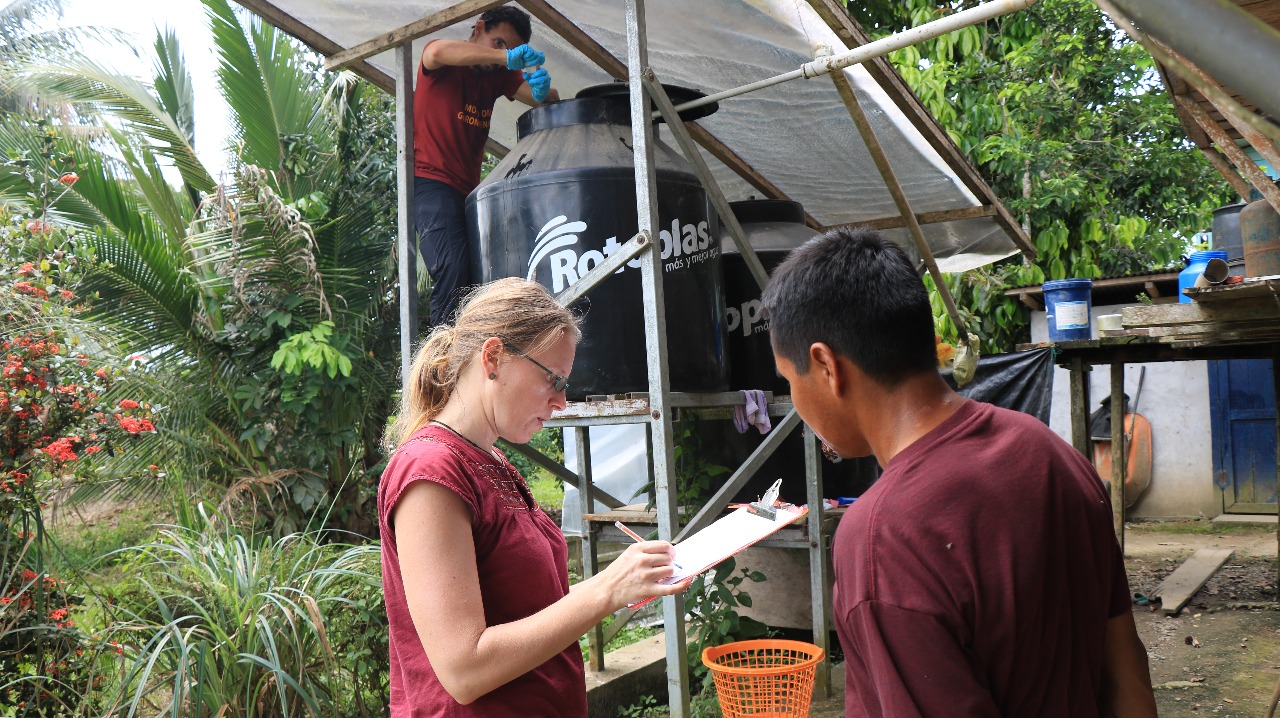
In 2011, the collective launched the ClearWater project with indigenous leaders to ensure that every Kofan , Secoya , Siona and Waorani family affected by hydrocarbon pollution has safe access to clean drinking water.
Since 2011, AF has installed rainwater harvesting systems for nearly 1,000 families in more than 50 villages spread across five million acres of threatened rivers and forests in Ecuador, Colombia, and Peru.
It was clear that building water supply systems for Indigenous families on the front line of oil pollution would reduce exposure to oil-related toxins and improve health in the villages.
What the team learned along the way was:
– The endurance of memory in indigenous cultures.
- The immense forestry knowledge of the elders (and the disappearance of this knowledge as the elders pass away).
- – The scale and scope of the threats to the rainforest – from oil, African palm, mining, cattle, roads and colonization.
- – The stakes of these struggles, including the importance of building alliances. How action speaks louder than words.

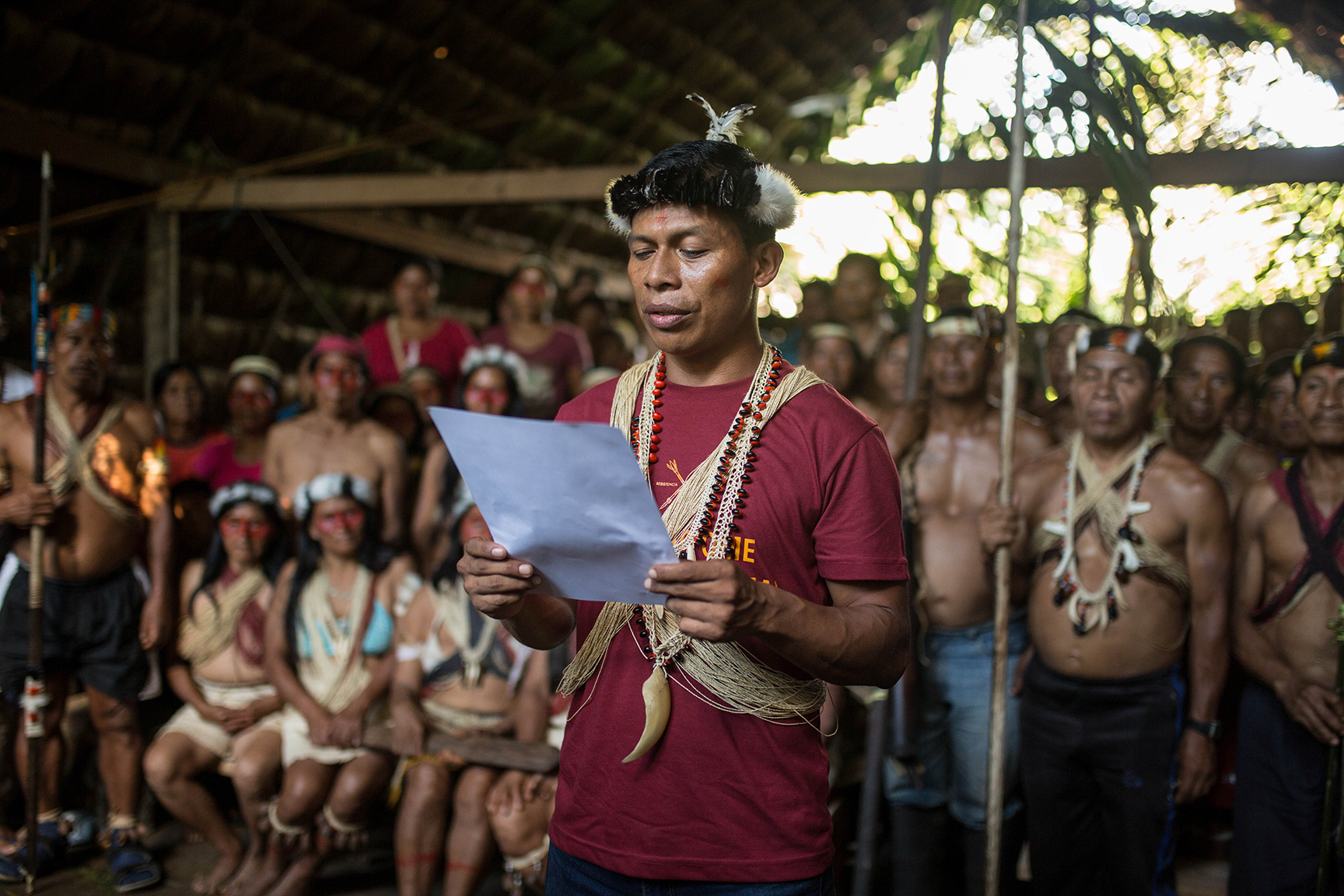
After five years of work on the ClearWater project, the team has succeeded in supporting the creation of an indigenous-led alliance, the Ceibo Alliance , which works to defend the land, life and culture of the Kofan , Secoya , Siona and Waorani peoples.
It was also at this time that the international organization, Amazon Frontlines, was born, an international team living in the Amazon rainforest committed to the struggle for indigenous autonomy and the protection of the rainforest .




Its missions
AF’s work is divided into 4 distinct and complementary parts:
Building long-term solutions with the people
“For more than half a century, the Kofan, Siona, Secoya and Waorani peoples of the Amazon have lived downstream from Ecuador’s largest oil fields, which have contaminated their rivers and streams and severely affected their health, while enriching the oil industry and providing fuel for modern society’s automobiles.
We recognize the injustice of this situation and, as a team of internationalists raised in the cities of Western civilization, we are committed to reinventing how we can honestly and effectively support Indigenous struggles in the globalized world of the 21st century.
Our goal of “Building Solutions” is not about quick technological fixes, nor about the naive belief in the power of “good intentions” to resolve a profound human, health, social, and environmental crisis, but rather about the need to work side-by-side with Indigenous peoples struggling to meet their basic needs in a forest threatened by the industrial frontier.
Keeping their cultures and knowledge alive
“In the space of a few centuries – following invasions, conquests and resource extraction – the indigenous peoples of the Amazon have struggled to protect their cultures from extinction.
Plant-based medicines. Healing systems. Hunting, fishing, and farming techniques. Paths to spiritual enlightenment. Language, stories, and myths. Worldview. Ways of life that care for, support, and defend one of the most complex, rich, mysterious, and important ecosystems on our planet. Thousands of years of cultural knowledge are about to disappear.
Protect the territory
“Wilderness region. Primary rainforest. Biodiversity hotspot. Carbon sink. National park. Oil concession.”
These are all expressions used by journalists, scientists, activists, oil companies, and governments to describe the ancestral territory of the Kofan, Secoya, Siona, and Waorani peoples of northern Ecuadorian Amazonia.
Tell their stories
“For hundreds of years, elders in Indigenous communities have shared their stories, memories, and history with their children, grandchildren, and neighbors. Without written languages, the Secoya, Waorani, Siona, and Kofan cultures relied on stories and generational bonds created through oral tradition.
As colonization, deforestation, and acculturation become increasingly ingrained in the indigenous ways of life in the Amazon, this living memory is becoming increasingly difficult to pass on from generation to generation.
Yet today more than ever, Indigenous stories must be told, passed on to future generations and also shared with the outside world, whose destructive way of life is at the root of the cultural loss.
We believe that Indigenous communities must tell their own stories, which is why we train Indigenous youth to use film, photography, and other storytelling techniques to pass on the knowledge and stories of their ancestors within their communities, while also creating films that allow those living outside the Amazon to understand their changing realities.
To learn more about these stories, there’s quite a bit of content here 🙂

To support Amazon Frontlines and their incredible work, click here: https://amazonfrontlines.org/donate/
Thank you for them. Thank you for us.
To make a donation to Amazon Frontlines, you can follow this link.