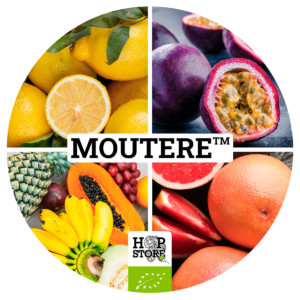

IPAs, a vibrant aromatic palette

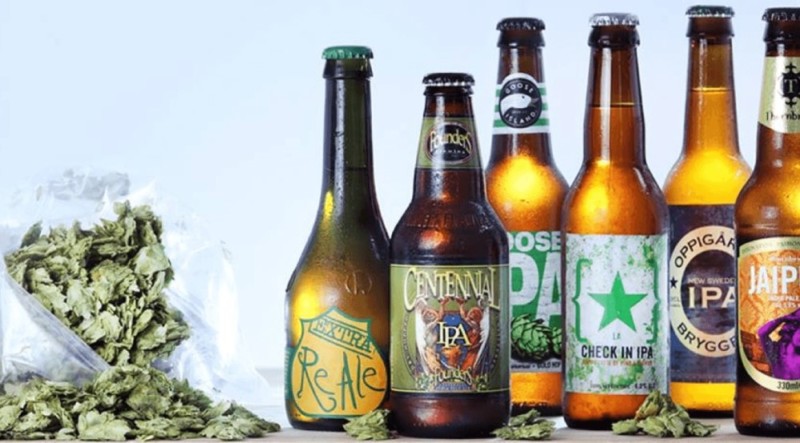
Article written in collaboration with Alexandra Berry.
An article has already been dedicated to hopping techniques to guide you through Dry Hopped IPAs and Double Dry Hopped IPAs, but the notable differences within this same style family go much further. Depending on the malt base, the hop varieties, and of course the yeast used, two IPAs can be radically different.
From the historical recipe (whose long journey is described here ) came variants that became classics, adopted and adapted across three historically brewing countries: England, the United States and Belgium.
English IPA
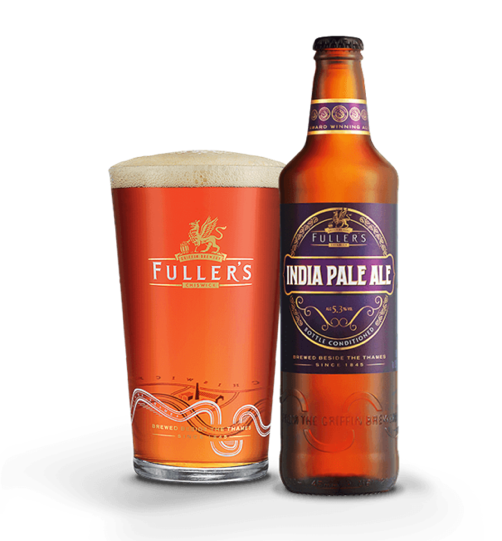
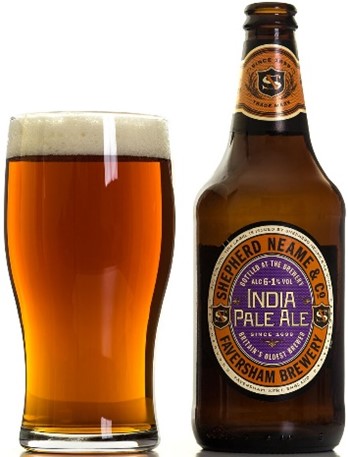
British IPAs in the 20th century were hoppy beers with a pronounced bitterness, predominantly herbaceous or floral. The malt is noticeable on the finish, with “English” nuances of caramel or toffee, biscuit, or even brioche. It serves to balance the bitterness of the hops. Fruity notes from esters may appear, but the bitterness remains dominant and lingers on the palate. With an alcohol content generally between 5 and 6%, it’s a beer that leaves a smooth, rounded impression on the palate. In the 1990s in the UK, the style survived, but often with reduced bitterness. Ranging in color from golden amber to copper, they are generally clear with a persistent, off-white head.
Examples of English IPAs: Fuller’s IPA, Shepherd Neame IPA
American IPA: East Coast VS West Coast
After World War II and Prohibition, American brewers had a blank slate to reinvent their brewing culture. World War II fueled anti-German sentiment, coupled with industrialization and the mass production of rather bland lagers, leading them to look to Anglo-Saxon culture and the famous IPA for its robust character. Given that the United States is one of the world’s largest hop producers, it’s no surprise that the IPA rose to prominence. Like New Zealand , Americans were instrumental in creating highly aromatic hop varieties specifically designed for this style of beer.
American-style IPA, also known as AIPA, emphasizes local hops, often with citrus and tropical fruit notes. The hop character is dominant, with citrus, floral, or resinous nuances. Its bitterness is pronounced, even intense, and clearly emphasizes the tasting experience. A touch of malty sweetness may be present, but generally less so than in its British counterparts. Fruit notes are present, either from the hops or from esters. Its color ranges from gold to almost reddish copper, sometimes orange with a slight haze. Its head varies between white and off-white, and is often quite persistent.
This American IPA style would later have two influences: West Coast IPAs, in a region rich in hop fields, are generally what are known as Hop Bombs, bursting with bitterness (often from Cascade, Columbus, Centennial, or Chinook hops) and fruit. West Coast IPAs are considered to be good reflections of each hop’s characteristics. East Coast IPAs, on the other hand, will be more akin to their British inspiration, with rounder, biscuity beers, particularly with the use of Crystal malt.
Examples of West Coast IPA: Great Divide Titan IPA, Stone IPA:
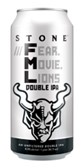
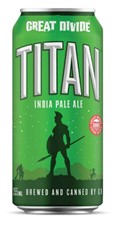
Examples of East Coast IPA: Goose Island IPA, Dogfish Head 60 minutes IPA:
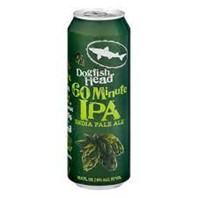
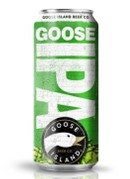
Belgian IPA
A land firmly rooted in brewing tradition, Belgium has been adding hops to its beer for over a thousand years! With hop fields in Picardy and southern Belgium, traditional Belgian brews were naturally lightly hopped and not very bitter. Known primarily for its culture of strong, full-bodied, and malty beers, Belgium has been leaning towards bitterness since 2005. Although still a somewhat undefined style, Belgian IPA refers to a characterful, rather spicy beer brewed with Belgian yeasts and boasting a pronounced hoppy bitterness. Some brewers experimented with hops before the IPA craze, for example, Poperings Hommel from Brasserie Van Eecke, brewed with four hop varieties in 1981. With an IBU between 30 and 40, this IPA is rather light, with the hops expressing their aromatic rather than bittering properties.
Generally more effervescent and higher in alcohol, it reveals aromas of banana and clove with citrus notes imparted by the hops. Golden in color, sometimes tending towards light amber, it can be either clear or cloudy. Its off-white head, however, is opulent and persistent, with notes of cereal, candy sugar, and fruity hops. If European hops are used, the aromas will be more herbaceous and spicy, especially if dry-hopped . Notes of apple, banana, or pear may be present depending on the yeast used. On the palate, its relatively high carbonation balances the roundness provided by the malt and yeast.
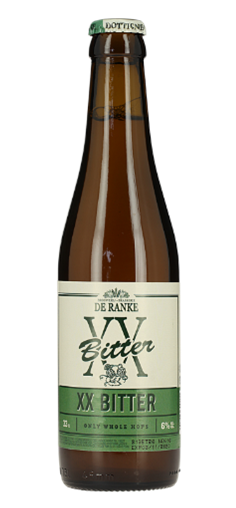
Examples of Belgian IPAs: De Ranke XX Bitter, Stone Cali-Belgique, De la Senne Taras Boulba :

Double IPA and Imperial IPA (or DIPA, IIPA, I2PA…)
Generally speaking, these two terms refer to the same thing: a powerful IPA, either in terms of hops, alcohol, or both, with the aim of pushing the boundaries of the style. These beers are perfect for those who want a full body and bitterness—in short, a real punch!
While an IPA will have an alcohol content between 4 and 6° and a standard IBU between 40 and 60, the DIPA has an ABV of 7 to 10° and an IBU ranging between 60 and 120. They will therefore be more complex than their little sister with a rounder and maltier body despite a stronger bitterness.
The history of DIPAs and IIPAs likely dates back to 1994, when Vinnie Cilurzo, then brewer at Blind Pig Brewery in California, produced the Inaugural Ale, a beer he classified as a Double IPA. Aged for nine months on oak chips, it had an ABV of 7% and boasted an IBU of 100. Cilurzo later moved to Russian River and continued to produce hop-heavy brews, but he was the pioneer of an innovation that came to be known as the ” Great IPA Experiment .” Two years later, Rogue Brewery produced the I2PA, and Stone followed suit in 1998 with their 2nd Anniversary IPA . The Double IPA category was first added to the Great American Beer Festival in 2003 and is officially recognized by the Beer Judge Certification Program (BJCP).
A DIPA or IIPA boasts a color that can range from golden yellow to coppery amber. Its clarity depends on the amount of dry hopping; most are quite clear, but some may have a slight haze. The head will be off-white with a fairly long retention. On the nose, of course, there are hops: floral, citrus, resinous, tropical fruit, or yellow fruit, depending on the variety. Some malty notes may also be present, and sometimes hints of fruity esters. On the palate, the carbonation is medium to strong, but with a rather smooth, sometimes slightly liqueur-like, roundness. The hop presence is dominant, with either a powerful, resinous bitterness if the hops are noble—meaning European—or an explosion of fruit for American or New Zealand hops. The finish is rather dry and persistent. DIPAs may exhibit liqueur-like notes, but these should not be too pronounced.
As with IPAs, there will be a noticeable difference between English and American DIPAs. English DIPAs will emphasize the malty character while highlighting it with a pronounced, hoppy, and resinous bitterness. American DIPAs, like IPAs, will be hop-forward and reflect the aromatic properties of the hops: floral, citrus, piney, spicy, tropical fruit, etc. American DIPAs will be less prominent in terms of alcohol notes, maintaining a strong aromatic bitterness even with a final ABV between 8 and 10%.
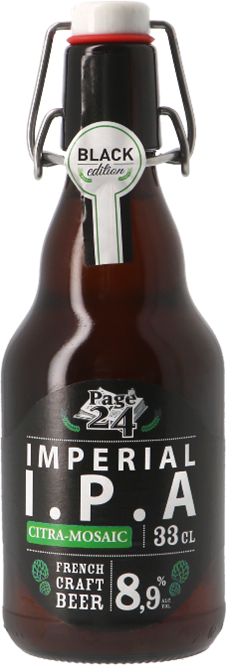
Some examples of DIPA: Page 24 Double IPA, Russian River Pliny the Elde:
Some examples of IIPA: Page 24, Ska Brewing Decadent IPA:

The Micro and the IPA Session
With the trend shifting towards lighter products in terms of alcohol and calories, microbrews and session IPAs are enjoying a surge in popularity. Unlike IIPAs and DIPAs, these two styles must have an alcohol content of less than 5%, designed to quench thirst while maintaining a pleasant aroma; the goal is to be “session-friendly ,” meaning it’s possible to drink several in a single session.
The BJCP mandates an IBU between 30 and 50 for both styles. For micro IPA, the alcohol content must be between 0 and 3%, and for Session, between 3 and 5%. Brewers experiment extensively with highly aromatic hops, as well as with more concentrated cryo-hops, and frequently use dry hopping to produce highly aromatic beers despite their low gravity.
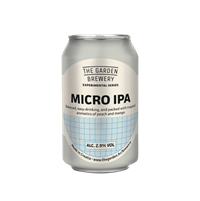
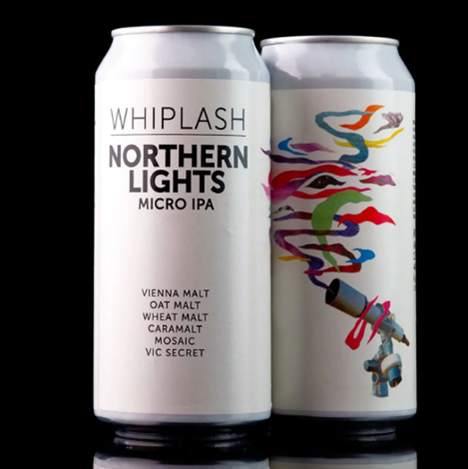
Examples of Micro IPAs: Garden Brewery Micro IPA, Whiplash Northern Lights:
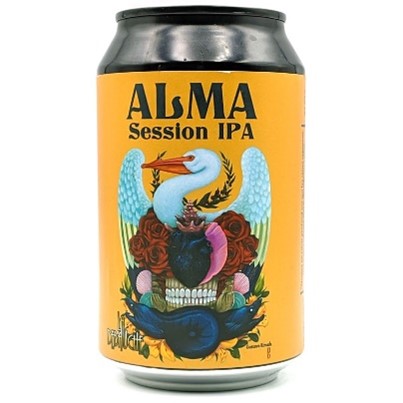
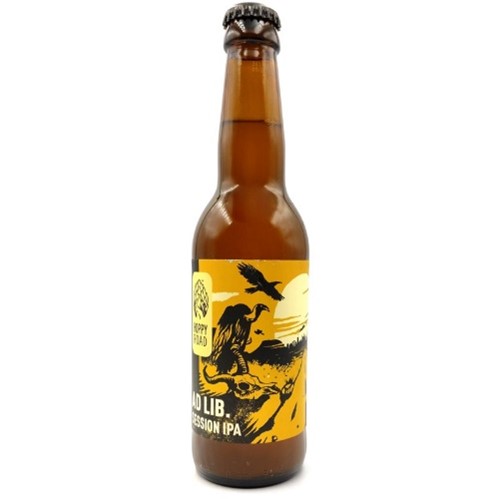
Examples of Session IPAs: Alma’s Debauchery, Ad Lib of Hoppy Road :
Black IPA or Cascadian Dark Ale
Black IPA, also known as Cascadian Dark Ale, India Black Ale, or American Black Ale, is an IPA made with roasted malts. The result is a surprising and pleasant fusion of hoppy bitterness and powerful roasted notes. Cascadian Dark Ale is perhaps the most historically and etymologically fitting name for the recipe. It refers to the hop variety used, Cascade, grown in the Pacific Northwest of the United States, where the first Black IPAs were traced. When the style was recognized by the Brewers Association, many wanted to keep the name Cascadian Dark Ale, but the consensus settled on American-Style Black Ale before becoming simply Black IPA for ease of understanding.
In reality, the recipe is far from innovative, as hoppy porters have been around since the 1800s. These porters , shipped to Native American colonies, were also generously hopped to survive the long sea voyage. It was in the early 1990s that Greg Noonen and Glenn Walter, brewers at Vermont Pub & Brewery in Burlington, revived the Black IPA with their Blackwatch. Other notable examples include Avery Brewery’s New World Porter, brewed in 1997, Rogue Ales’ Skull Splitter in 2003, and Philips Brewing’s (Canada) Skookum Cascadian Dark in 2004.
Black IPA is therefore brown or even black in color, sometimes with caramel highlights, and topped with a creamy or compact, beige-light brown head. On the nose, aromas of coffee and resin linger, with a dominant roasted character. On the palate, malt is predominant, with toasted, roasted coffee, and biscuit notes. A moderate bitterness at the start, but persistent on the finish, underscores this toasty roundness with hoppy, herbaceous, and fresh nuances. It’s a beer that combines the roundness of a Dark Ale with the thirst-quenching characteristics and dryness of an IPA.
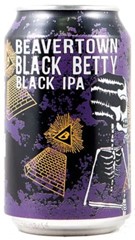
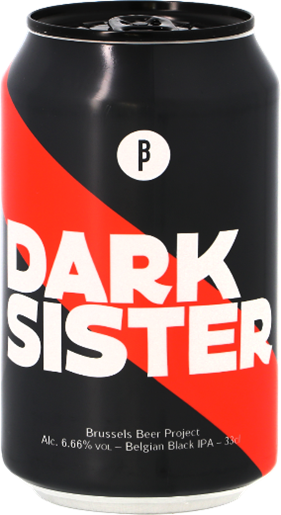
Examples of Black IPA: Beavertown Black Betty, Brussels Beer Project Dark Sister:
Red IPA
A Red IPA is a fusion of an IPA and an Irish Red Ale: an ale with caramel notes and a lingering resinous or fruity bitterness. While more malty than an American IPA, it still retains the same rich and fruity bitterness. Added to the BJCP in 2015, one of the first Red IPAs marketed as such dates back to the early 2000s: Sockeye Red from Midnight Sun Brewery in Alaska.
According to the BJCP, a Red IPA should range in color from coppery amber to ruby or copper red, and is generally quite clear. Its head should be moderately sized, fairly compact, persistent, and beige in color. On the nose, the hop aromas lean towards nuances of fruit, citrus, or resin. If the beer has been dry-hopped, the hops will dominate the malty body. The malt itself can offer notes of caramel, dark fruit, or even toasty hints. A high-alcohol Red IPA may reveal liqueur-like nuances, but these should remain rather subtle to avoid being mistaken for a Barley Wine. Rather round and smooth on the palate with moderate carbonation, it may reveal spices and a resinous bitterness.
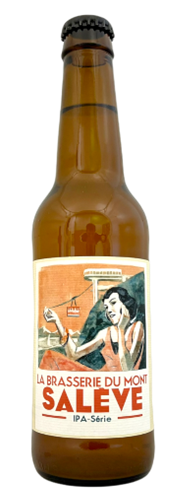
Examples of Red IPA: White Hag, Mont Salève Red IPA:

White IPA
A fusion of an explosive American IPA and a smooth, spicy Belgian Wheat, White IPA is a wheat beer that makes extensive use of American hops. It is hoppier and has a higher alcohol content than American Wheat Ale.
It was created in 2010 through a collaboration between Larry Sidor, the brewer of Deschutes Brewery, and Steven Pauwels, the Belgian brewer of Boulevard Brewing. They wanted to create a style that represented their two cultures: the powerful hop character of Deschutes combined with the wheat of Boulevard. They incorporated elements of wheat beer with lemongrass, sage, coriander, and orange peel, punctuating it with a hoppy touch worthy of an IPA. Often hazy and pale yellow, it has a thick, stable head with spicy aromas of coriander and pepper. Notes of banana and yellow fruits balance the powerful bitterness of the American hops. It is also possible to dry-hop a White IPA for an even more intense aroma. The overall impression should be quite smooth on the palate thanks to the wheat, but with a lively and fruity flavor profile.
Some examples of White IPA: Bendorf A l’Ombre des Pensées, Blue Moon:

Rye IPA
Rye IPAs developed particularly in Central Europe, where barley production was less abundant than rye, which was much more resistant to cold. Rye has indeed found its place in modern brewing thanks to its complexity, imparting notes of grain, spice, and a certain dryness on the finish. A little more difficult to work with than barley malt, it is often added as a complement but enhances the overall balance of a beer, particularly in English styles, which are well-suited to hops and drier, more resinous beers.
This is how this grain found its place in the world of IPAs, enhancing the anticipated bitterness of the hops and contributing a spicy, biscuity character. With a more amber hue and often hazy appearance, a Rye IPA will have a creamy beige head. The malt aromas are rather subtle, with hints of spice, allowing the hop aromas to shine through, ranging from citrus and resin to stone fruit notes. The astringency at the finish is generally more pronounced than with a classic barley malt IPA, which enhances the drinkability of this style.
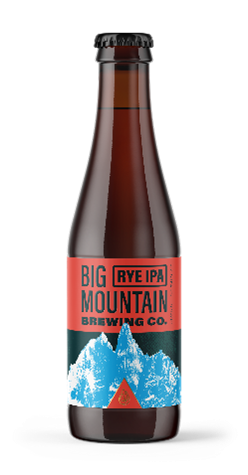
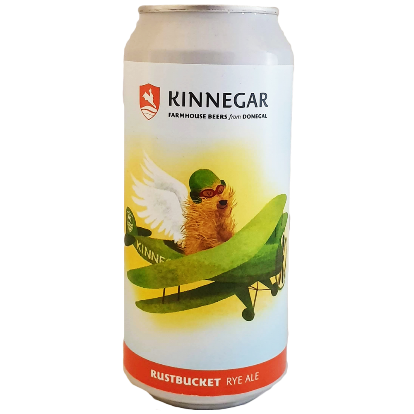
Some examples of Rye IPA: Kinnegar Rustbucket, Big Mountain Rye IPA:
New England IPA, an alcoholic smoothie
The New England IPA was all the rage for a few years and remains a popular variation of the style, especially among IPA newcomers. Its juicy, tropical smoothie-like character balances the bitterness for a truly indulgent tasting experience.
This style, as its name suggests, originated in New England, specifically in Vermont, in the breweries of The Alchemist. Legend has it that while brewing the now-famous Heady Topper, the brewer added yeast from a nearby orchard—perhaps even by accident!—giving the beer fruity aromas. To enhance this smoothness, the beer is unfiltered, which was still a rarity in the brewing world at the time.
The result is an IPA with a very hazy, dark yellow or orange color and aromas of yellow fruits, pineapple, and tropical fruits, with a pleasant bitterness and a lingering biscuit malt finish. After the obsession with citrus-laden American Hop Bombs , it’s time for the wave of tropical IPAs, featuring New World hops like Nelson Sauvin , Waiiti , or Motueka .
To achieve that hazy appearance and smooth mouthfeel, some brewers experiment with grains, adding a touch of oats to their recipes. The key to a NEIPA, however, lies in the fruit and its smoothie-like quality that delights fans of the style!
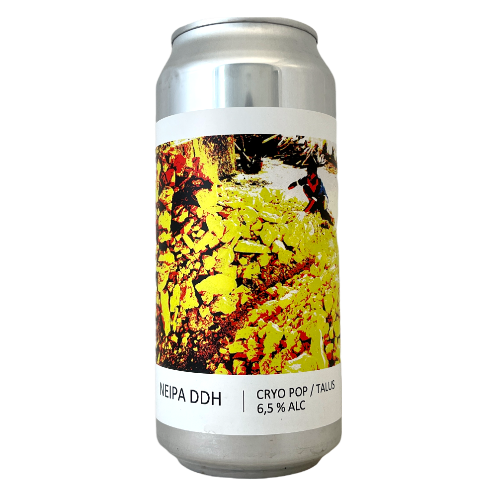
Examples of NEIPAs: Fauve and Popihn are two breweries that produce many NEIPAs, experimenting with new hop blends in each batch.
Brut IPA: a glass of Champagne, please.
Brut IPAs originated in San Francisco in 2018, invented by Kim Sturdavant, brewer at Social Kitchen and Brewery, as a counterpoint to the trend of full-bodied, juicy NEIPAs. Unlike these, Brut IPAs aim to highlight the bitterness of the hops with a pronounced effervescence and an almost wine-like, dry character.
This is achieved by using amyloglucosidase enzymes, often added at the beginning of mashing, which break down complex sugars into fermentable sugars to achieve a density close to or equal to 0. This will result in a transformation of all the sugars and thus a very dry beer, a characteristic more commonly found in champagne.
With a generally clear, golden color, its white head offers notes of yellow fruit, sometimes apple, with hints of rustic cider. The very fine bubbles lend lightness to the style, enhanced by hops with relatively low alpha acid levels, offering floral and yellow fruit aromas reminiscent of Hallertau Blanc, Nelson Sauvin , or Huell Melon .
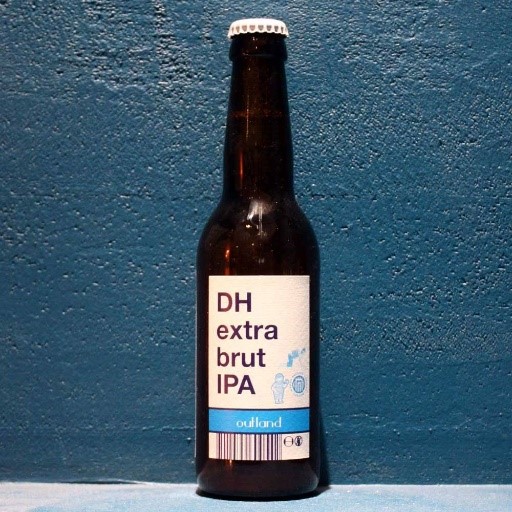
Examples of Brut IPAs: Stu Mostow Brut IPA, Outland Extra Brut IPA:

Milk Shake IPA, a liquid dessert
The Milkshake IPA emerged in 2015 in the United States, a reinterpretation of a NEIPA to which the brewer adds lactose. This sugar, naturally present in milk, gives the beer an even sweeter taste, creating a dessert-like effect. Thus, even during fermentation, the beer retains this smooth roundness and sweetness, resulting in a very indulgent brew. Furthermore, the lactose contributes to the haze, giving the beer a very “smoothie-like” appearance, similar to that found in oat beers or NEIPAs. Some brewers add vanilla to their recipe to create a dessert beer.
Aromatically, it typically features notes of exotic fruits, mango, and sometimes vanilla. On the palate, its roundness coats the mouth and enhances the creaminess and richness of the fruit. The bitterness of the hops balances this richness, resulting in a beer that is undeniably indulgent yet complex and lingering.
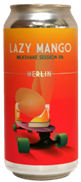
Some examples of Milkshake IPAs: Omnipollo, Merlin Lazy Mango:

To conclude this comprehensive overview…
Because brewing allows for great flexibility in styles and interpretations, other interpretations and variations of IPA are sure to emerge. With new hopping techniques, the different hop varieties being developed, and experimentation with yeasts, we’re never far from a new recipe that will soon be flooding the shelves and the minds of brewers!
The key takeaway is that IPAs can come in a wide range of colors, flavors, and body. So don’t hesitate to experiment with different interpretations of the style to find your own!
SOURCES:
- The New IPA: Scientific Guide to Hop Aroma and Flavor, Scott Janish
- Radical Brewing, Andy Mosher
- The Secrets of Master Brewers: Techniques, Traditions, and Homebrew Recipes for 26 of the World’s Classic Beer Styles, from Czech Pilsner to English Old Ale, Jeff Alworth
- https://www.happybeertime.com/
- https://brewnation.fr/
- https://bieromatique.fr/
- https://www.bjcp.org/beer-styles/beer-style-guidelines/