The AMARILLO® legend

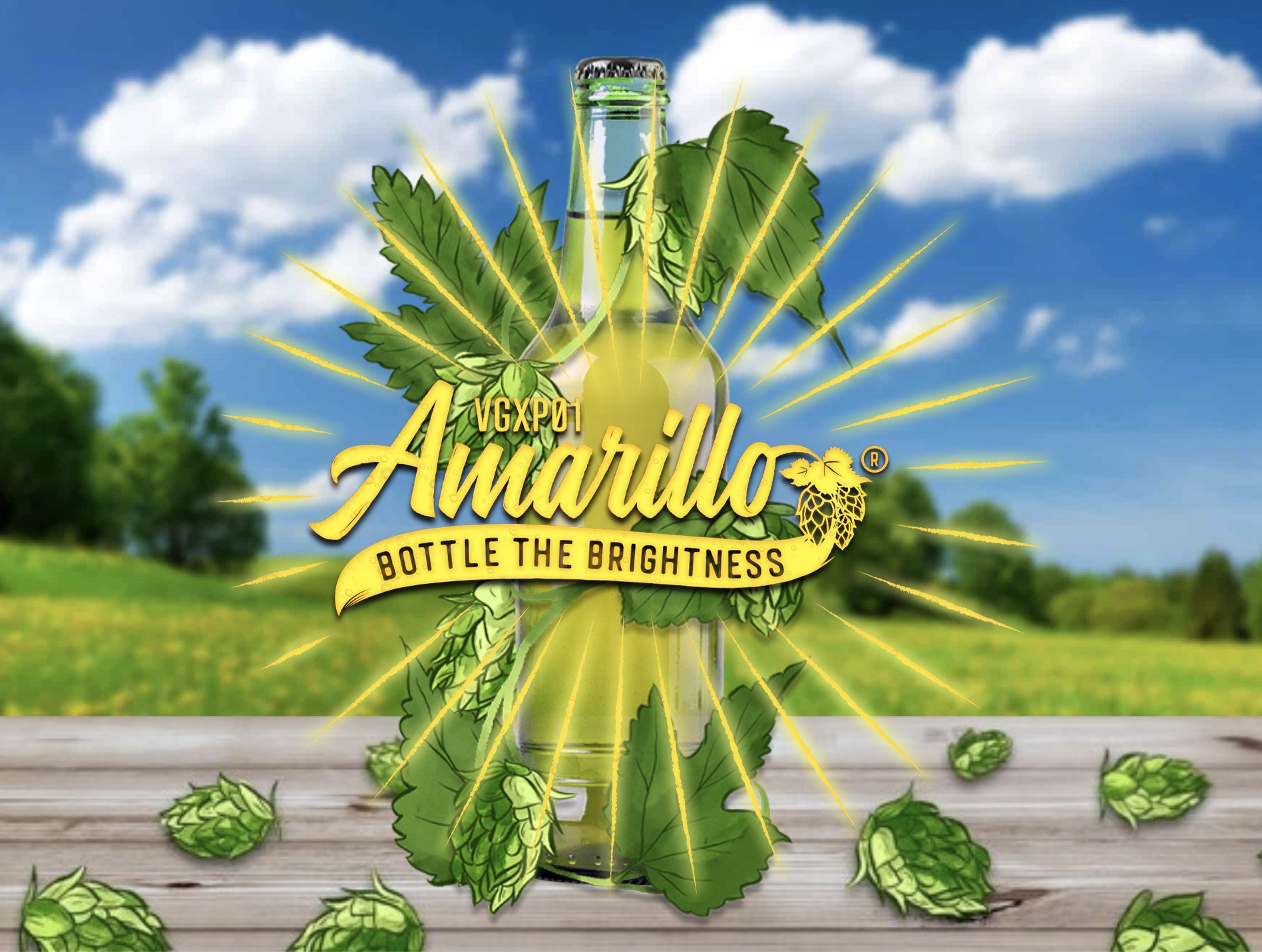
It’s impossible you could have missed Amarillo®. Impossible. Whether conventional or organic, it’s a rock star of US and European craft beers. We’ve loved it from the start too, so it’s about time we told you more!
Where does it come from?
The story goes that Amarillo® was discovered on Virgil Gamache Farms (formerly Sunshine Ranch) around 1930. So, on this farm:

Here:

Just imagine, it was growing there, peacefully, on their land! It crossbred and stabilized itself to create this sublime variety. Mind you, it’s there; if so many hops grow in this area—Oregon, Idaho, Washington, and Montana—there’s a reason 😉
While many believe that Amarillo® only grows on this farm, it is still interesting to note that today it is produced in the state of Washington, but also in Oregon, Idaho and even in Germany (conventionally).
While varietal development usually involves dozens of crossbreeding trials to find a variety that is both rich in organoleptic qualities for brewers, with good yields and robust health to resist disease for growers—a process that typically takes decades and millions of dollars— Amarillo® was just there, undisturbed. Incredible… This hop is legendary; it makes you think.
Who is he?
Dan Woodske, in his Hop Variety Handbook (a small self-published book by this American brewer that compiles and presents 110 hop varieties he appreciates), writes about Amarillo® : ” If you can find it , buy all that you can!” I should point out that the exclamation mark is part of the quote; it sets the tone!
One of the unique characteristics of this hop, and it’s so rare it deserves to be highlighted, is that it tastes exactly as it smells . Excuse the phrasing, but it gets the point across. Hops usually offer both aroma and flavor. This is precisely what makes them so rich, as it allows brewers to explore a wide range of possibilities. The downside is that it also adds considerable complexity. Here, it’s simpler, more direct, more straightforward: what you smell, you’ll taste. Period. That, too, contributes to the legend…
Its very high myrcene oil content – we have an article on hop oils for more details – nearly 70%, gives it delicious citrus aromas, particularly orange. It’s this distinctive touch that makes it the best known and most appreciated.
How do I use it?
This is a “DUAL” hop, so you can use it as an aroma and/or as a bittering agent. Suggested substitutes include Cascade (for citrus aroma), Centennial, Summit, Ahtanum, and Chinook.
Usually added at the end of boiling or in dry hopping , it will bring you all its specific flavors.
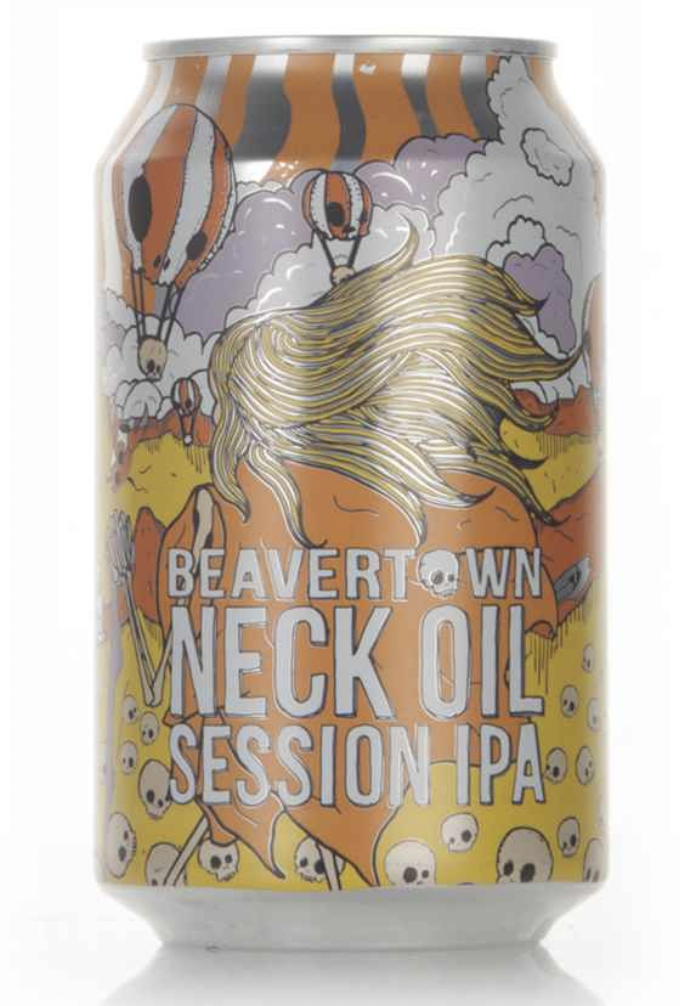
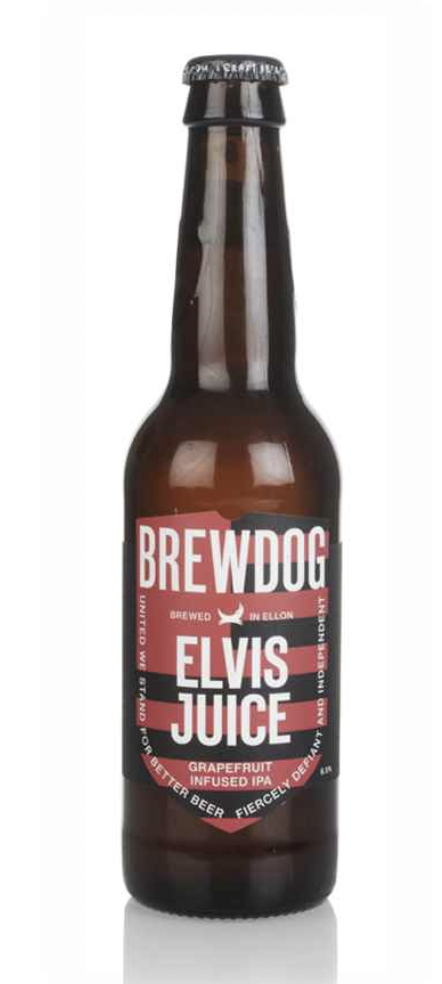
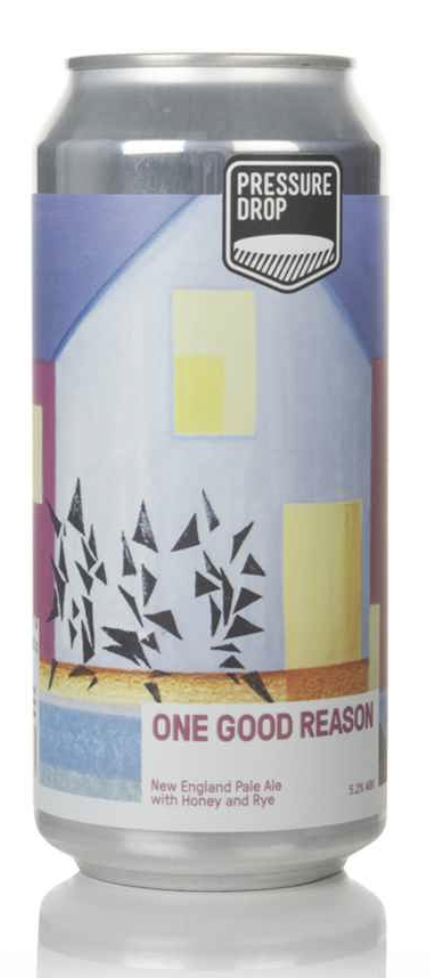
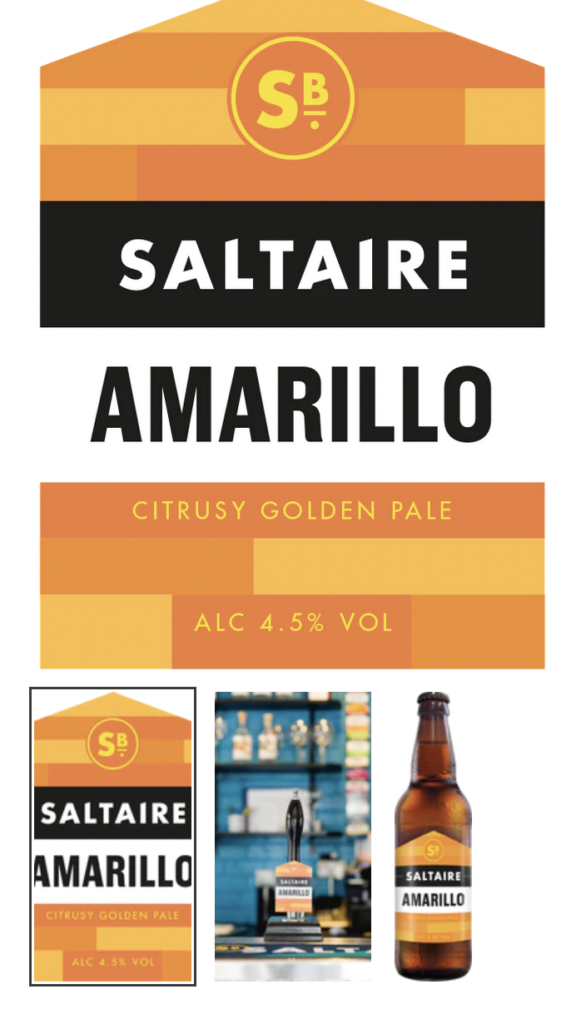
And as for beer types, well, it’s an open bar, just take your pick: IPA, AIPA, APA, American Wheat, Bitter, Wheat Beer, Red Ale, Pale Ale,… A few examples in the gallery below:
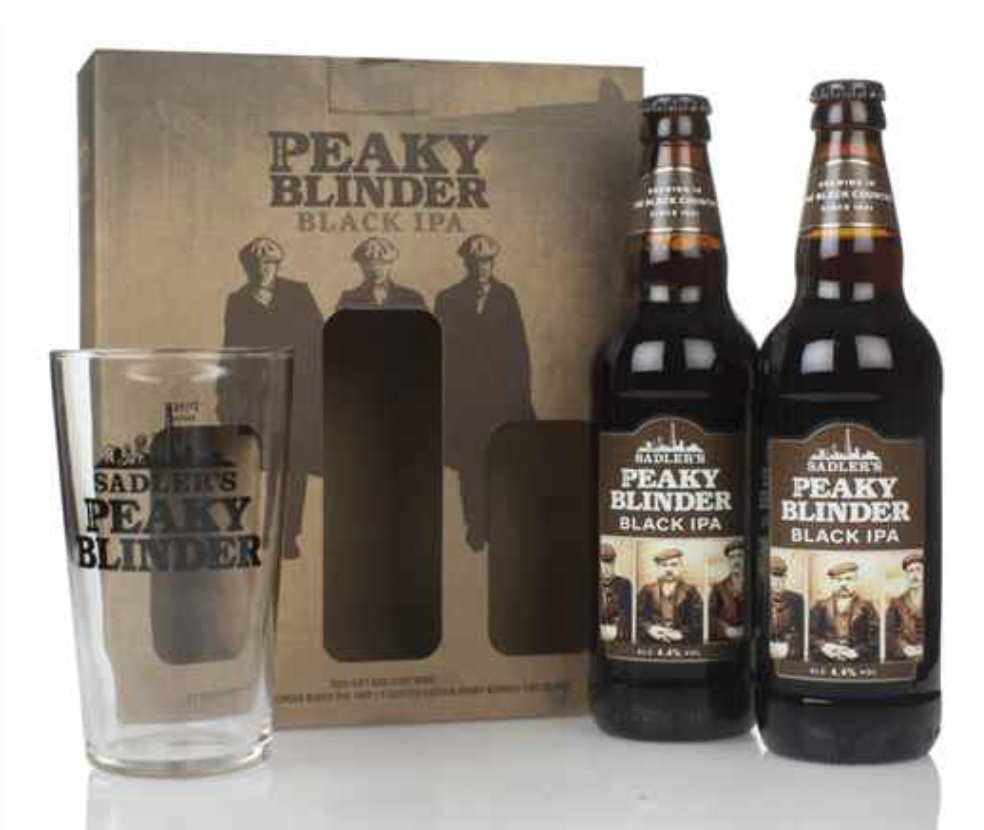


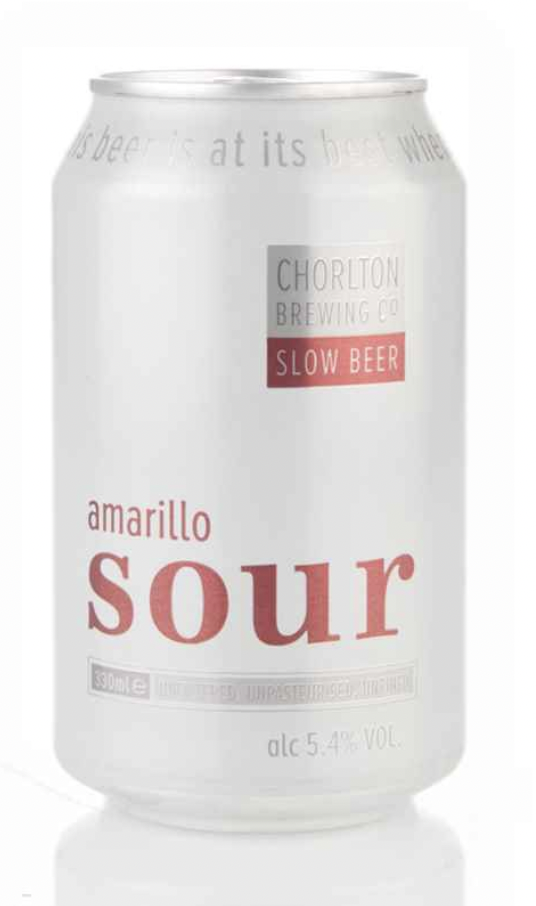
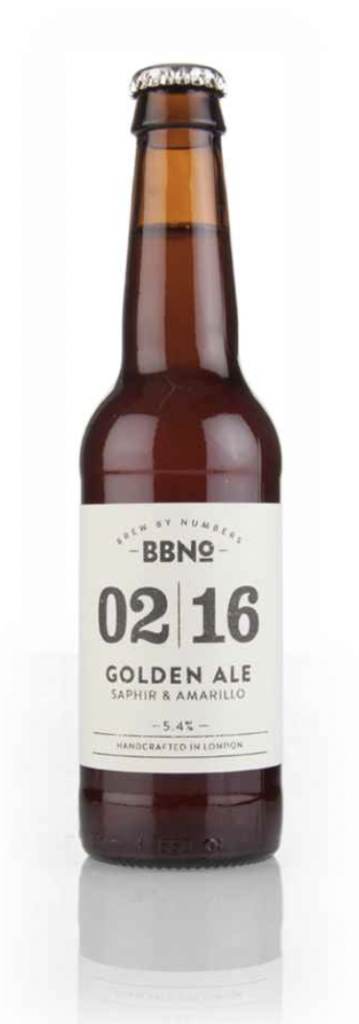
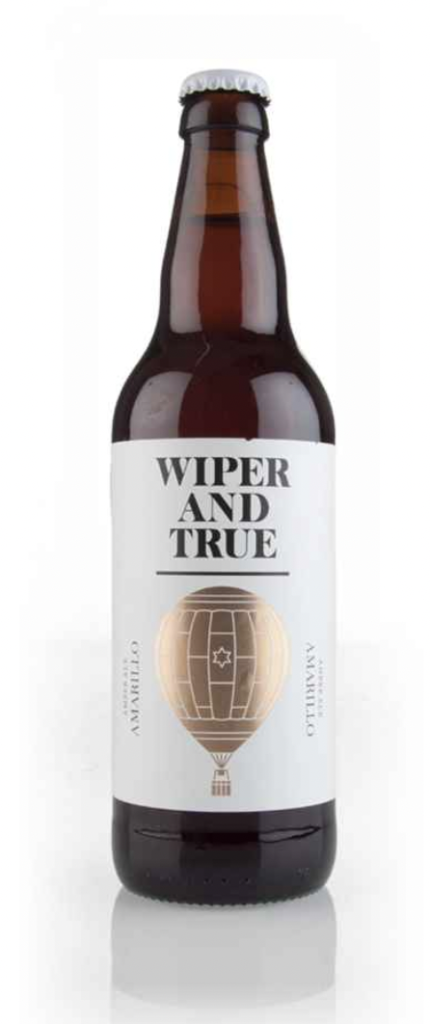

To go into more detail, and if you’re curious, BrewingBeer ( this site is great for recipe inspiration based on your hops ) offers a tested recipe for an Amarillo Wheat Ale which they called “Amarillo Wheat”, overview below:

In short, it’s an all-purpose hop: not too overpowering, allowing it to blend well with many other hops in your recipes, while still offering enough character—depending on the dosage—to give your beers a remarkable note. A must-have!
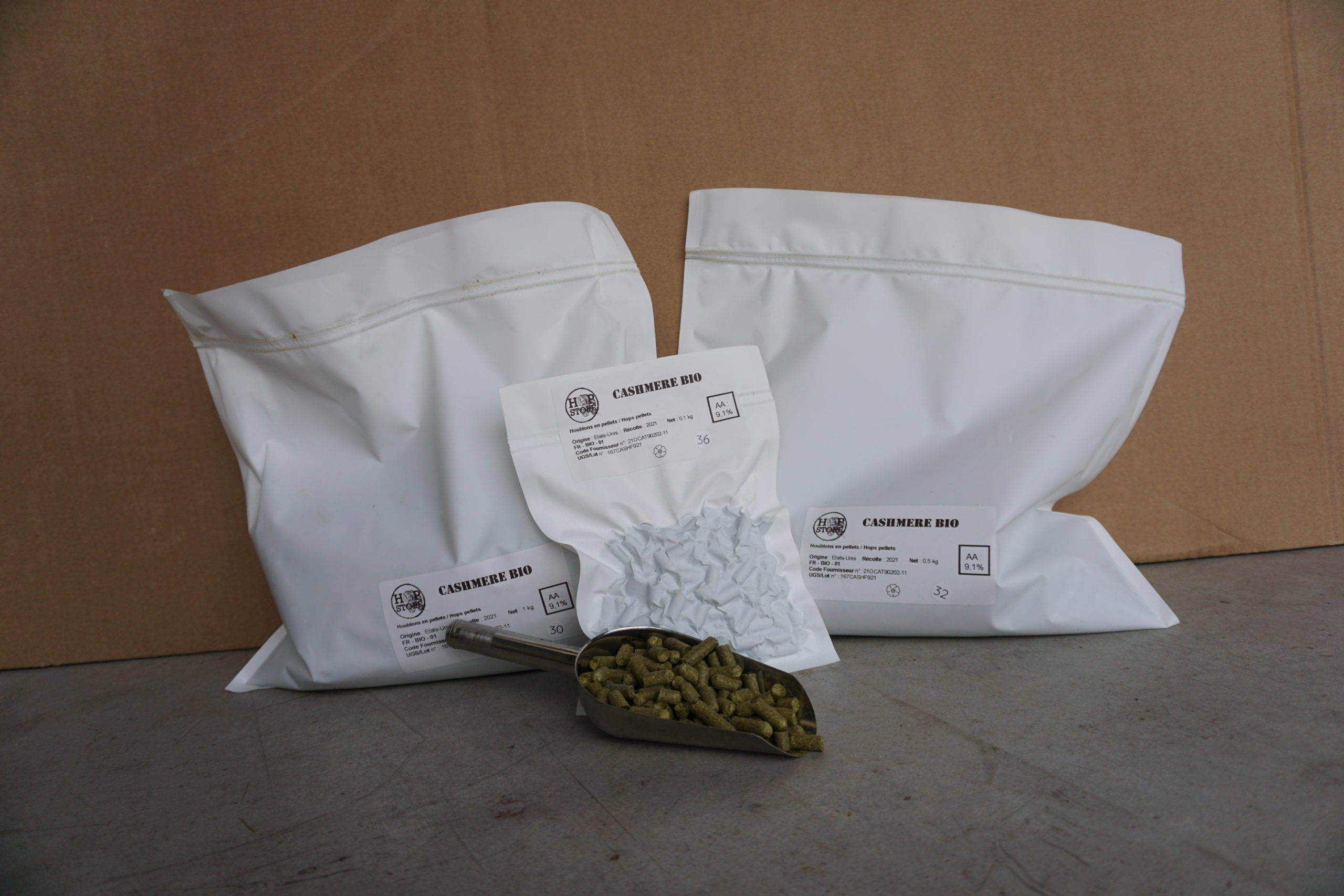
Available at SPOT and under contract at HOPSTORE, don’t wait any longer! We are proud to have been working with Virgil Gamache Farms – yes, them personally – to offer it to you direct from the producer for the past 4 years!