New Zealand hops: the hunt for green gold


New Zealand hops are highly prized in the brewing world for their organoleptic qualities, diverse flavor profiles, and dual aromatic and bittering properties. However, these varieties are relatively new to the brewing industry.
Let’s take a look at the birth and development of the green gold of these distant lands.
Article written in collaboration with Alexandra Berry .
A bit of history
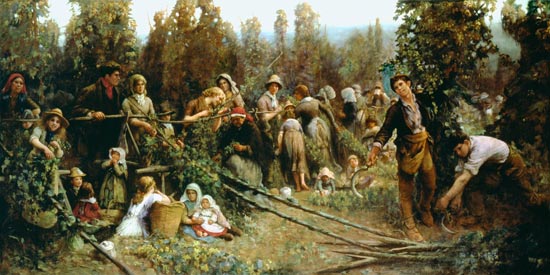
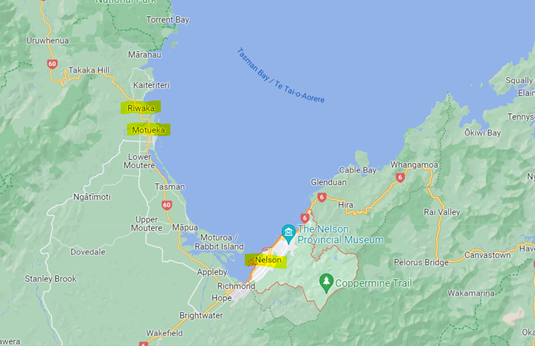
The first New Zealand hops were planted in 1842 in the Nelson region. Generally of European or North American origin, they were brought back by German and English settlers. The first plants cultivated in New Zealand came mainly from England (Fuggle, Bumford, Cluster, and Goldings) and Germany (Hallertauer and Spalt).
More specifically, it was in the early 1900s that Bisley Brothers & Co., a hop sales company, imported a Californian variety, Cluster, particularly well-suited to the climate and soil, which quickly became the most widespread in the region. However, this popularity reached its limits when an infection of Phytophthora cactorum, a fungus known as “Black Root Rot,” devastated all the hop fields. Unable to combat this infection, hop growers had to turn to more resistant varieties.
In this context, and in 1947, the Department of Scientific and Industrial Research established a research center in Riwaka with the mission of developing varieties that combined high yields and disease resistance. Despite its low yield, the Fuggle hop, for example, was favored and crossed with Californian varieties to produce a hop that was both aromatic and resistant. This led to the development of First Choice, Smooth Cone, and Calicross.
In 1972, New Zealand produced its first commercial Triploid hop with an alpha acid content of 10% and was thus the first country in the world to offer a hop of this type to meet the demand of brewers for seedless hops.
In the 1980s, research continued with several cultivars derived from aromatic noble hops. Although the country represents only 0.5% of world production, it nevertheless offers the greatest aromatic variety, with no fewer than 6 different certified organic varieties: “An Island Apart from Pests and Pollution” !
An ideal terroir for ecological and fruitful cultivation
Thanks to their sunny climate, the countryside of Motueka and Riwaka, which later inspired several varieties, saw abundant and aromatic hop fields flourish.
That said, it’s worth noting that days in New Zealand are shorter than in Europe, and therefore yields may be lower. You can’t have everything.
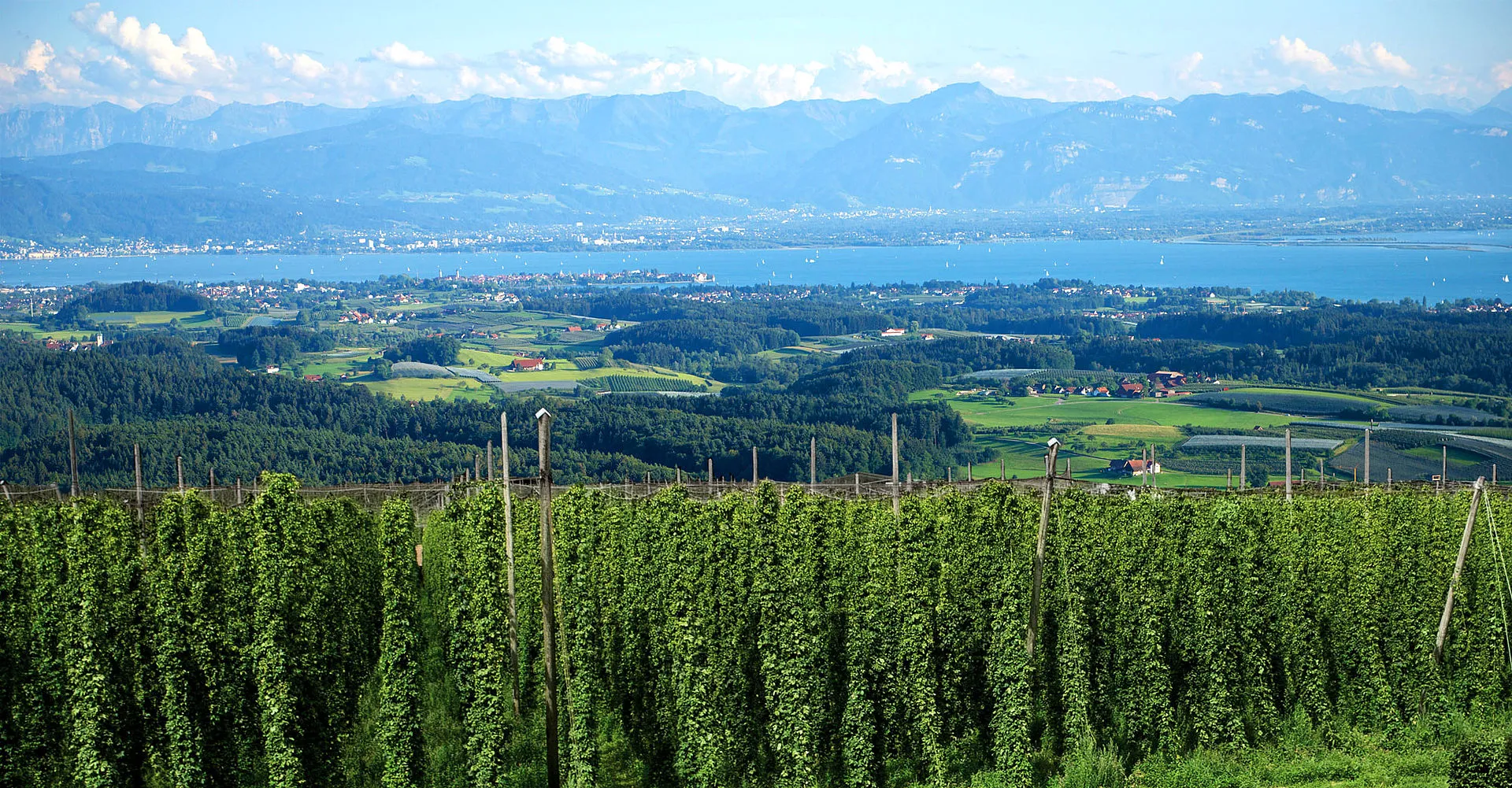
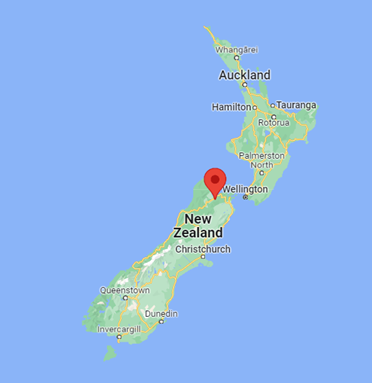
The majority of hops are still grown in the Nelson region of the South Island, sheltered from the wind by valleys and mountains. This area boasts an average annual temperature of 11°C, 2,400 hours of sunshine per year, and approximately 139.7 cm of annual rainfall – ideal conditions for hop cultivation. Furthermore, the soils have a unique composition due to the proximity of the sea, which, much like grape varieties in wine, influences the aroma and creates varieties found nowhere else in the world.
Not susceptible to the infections found in the Northern Hemisphere, New Zealand’s hop farms have developed a highly ecological and healthy ethos, avoiding pesticides and other inputs used to protect the plants. The country is generally known for its harmony with nature, its opposition to nuclear power, and its keen awareness of the fragility of its ecosystem. Thus, thanks to this philosophy, the terroir, and the climate, they are able to supply high-quality, aromatic hops worldwide, particularly during the winter months.
Between the terroir, the climate and the reversed calendar, hop farms can thrive by offering their products internationally all year round.
These hops in beer
Exclusively sold to brewers within the country, New Zealand hops began to be exported at the beginning of the 20th century, notably to Ireland, England, and Germany. In fact, Guinness Stouts and Allsopp & Inde Coope IPAs were made with “kiwi hops” at that time.
Thanks to their history, their design, and their careful and high-quality cultivation, no one can deny the superior quality of these varieties (hence the significant price difference). Furthermore, their aromatic profile perfectly matches current styles: IPAs, and particularly juicy, fruity, and aromatic IPAs.
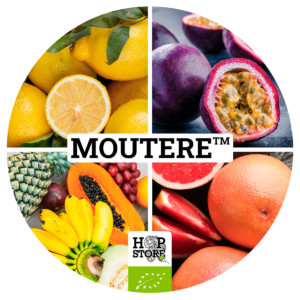
Their terroir is unique to this country, which also means that it’s difficult to reproduce these aromas and alpha acid compositions elsewhere in the world. New Zealand varieties boast extremely diverse aromatic profiles despite the proximity of the plants: from exotic fruits in Moutere , to citrus in Motueka , spices in Wai-Ti , or even herbal and floral notes in Wakatu … not forgetting the ever-popular Nelson Sauvin with its wine-like notes! Enough to delight brewers and enrich all beer styles!
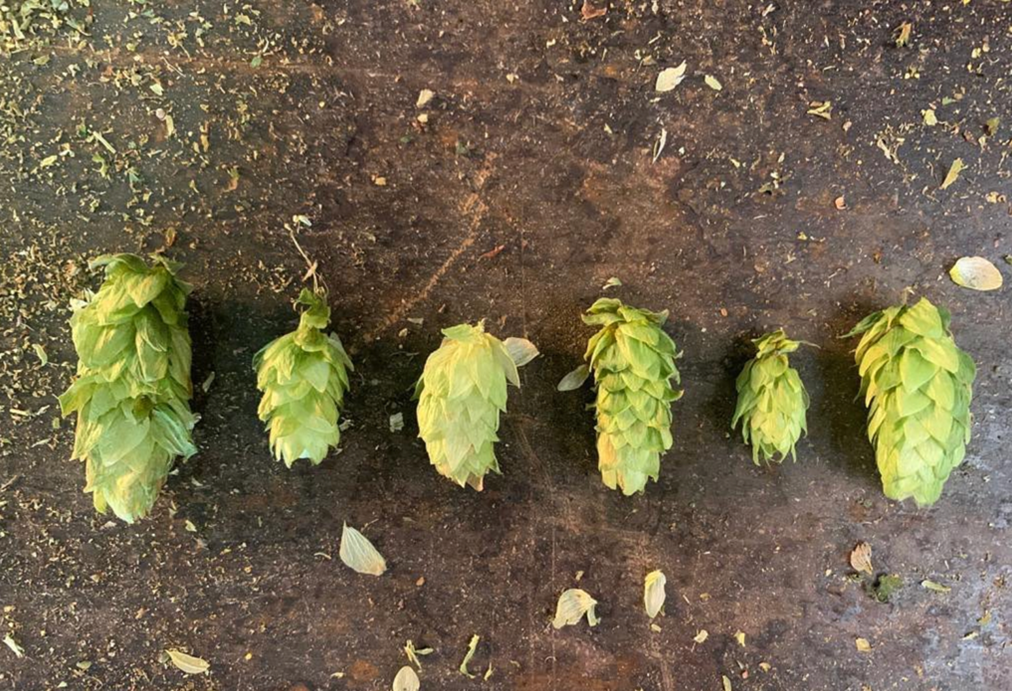
Source: @nzhopstltd
The success of these varieties can also be explained quite simply by their scarcity. Indeed, in 2018, demand for New Zealand varieties exploded, while supply remained rather limited. The competition for Nelson Sauvin , Motueka , and Riwaka was fierce! Despite a 44% increase in national production in 2019, their popularity only grew, and 90% of the production was sold even before harvest! To put this into perspective and understand the rarity of these gems, hop growers in the Northwest United States produced 49,000 tons of hops in 2018, compared to just over 1,000 tons in New Zealand.
Finally, and importantly, brewers love novelty! In this still relatively unexplored territory, new varieties, crossbreeds, and new aromas are being explored and unveiled, much to the delight of brewers and beer lovers!
Following the immense success of Nelson and its white grape notes, the new favorite is Nectaron . Used at the end of the boil or in a dry hop, it offers powerful aromas of tropical fruits, pineapple, and passion fruit!
For several years now, HOPSTORE has been importing these aromatic bombs directly from New Zealand, which delight your beers, noses and taste buds!
Feel free to contact us for more information 😉
Sources:
https://www.myfarm.co.nz/sector/hops
https://grainfather.com/new-zealand-hop
Hieronymus, S., For the love of hops , (2012), Brewers Publications.