


Saaz is a star among European hops. First registered as a hop variety in 1952, it became so popular that it has been used to create nearly a dozen other hop varieties (including New Zealand’s Motueka!). It alone accounts for almost three-quarters of the cultivated area in the Czech Republic.
It’s also apparently cultivated in the United States (though not organically), where it contains two to three times more alpha acids. Its high farnese content gives it a warm, woody, and herbaceous character. It’s also worth noting that its high polyphenol content greatly helps combat beer oxidation, resulting in better long-term preservation. But since it’s so incredible, why isn’t it more widely available? Well, because our Saaz is delicate and complex.
Yields are average to low, the cones are small and light, and the plant is very susceptible to various diseases. Needless to say, this doesn’t help in organic farming. To top it all off, Saaz isn’t an adventurous variety; it thrives only (or almost only) in its own soil and climate…
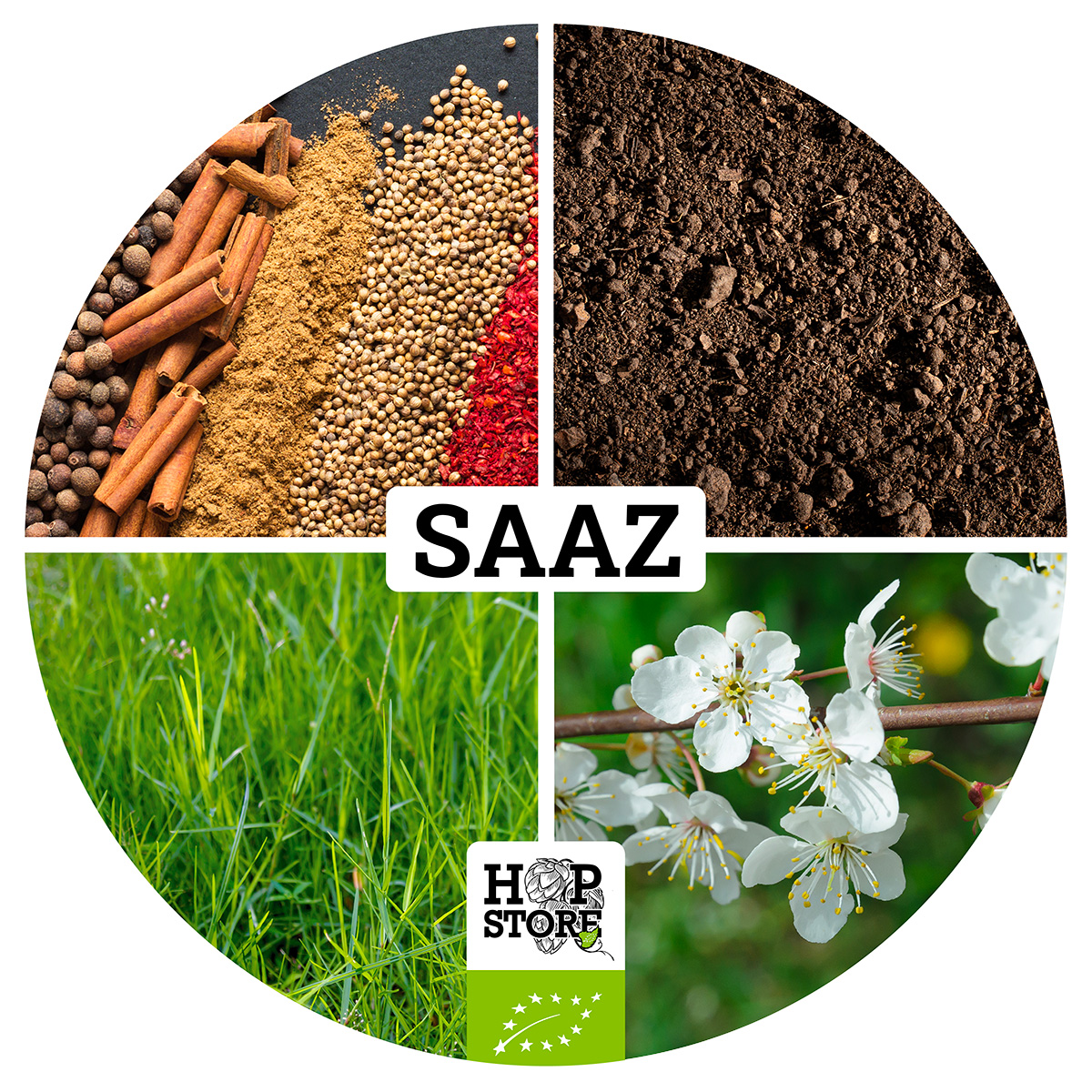
Characteristics : Floral, Herbal, Earthy, Spices
Use : Pilsner, Lager, Kolsh, Wheat, Pale Ale
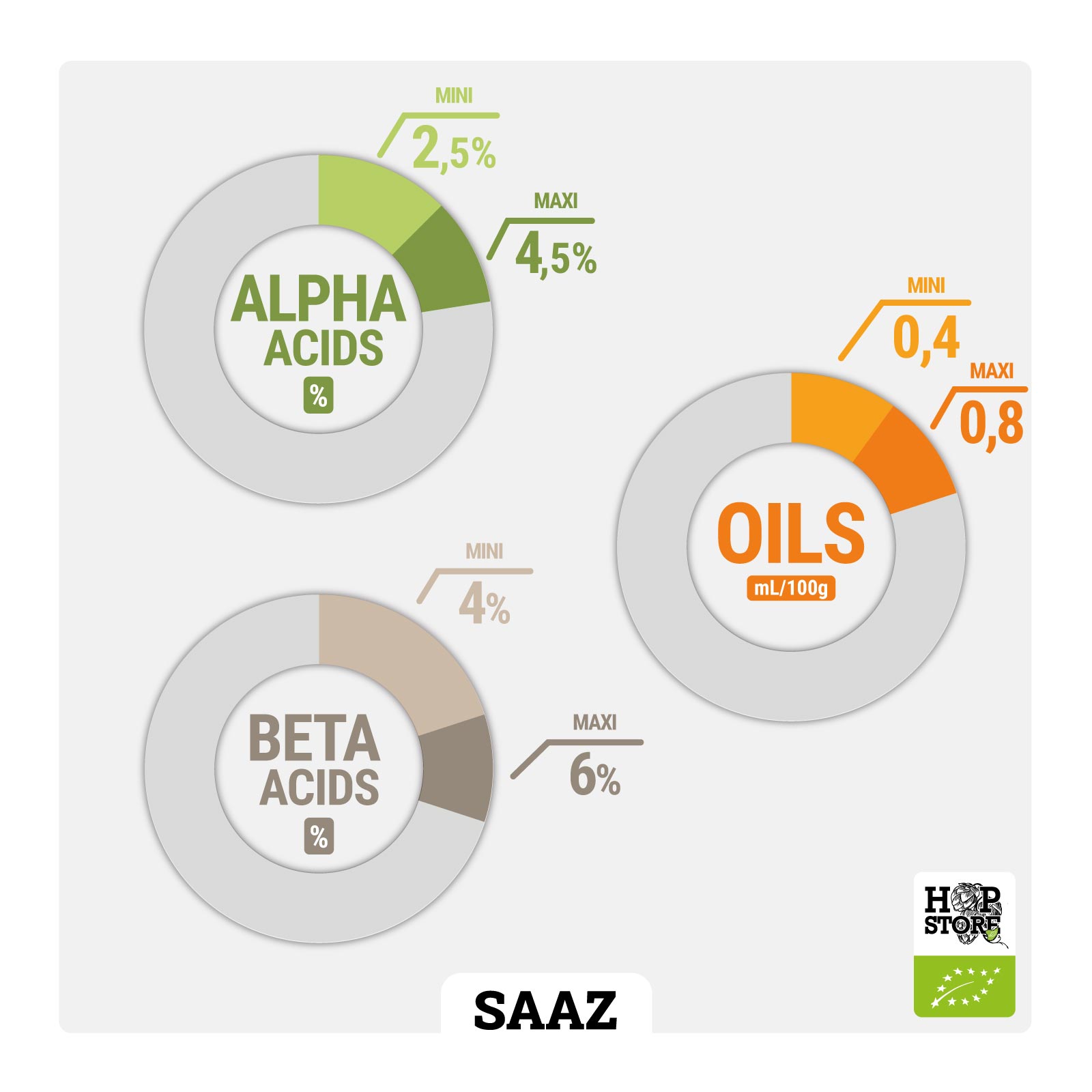
Acids :
- Alpha: 2.5 – 4.5%
- Beta: 4-6%
- Cohumulone: 23-26%
Total oils : 0.4 – 0.8ml/100g
Possible substitutes: Tettnanger or Spalter Select
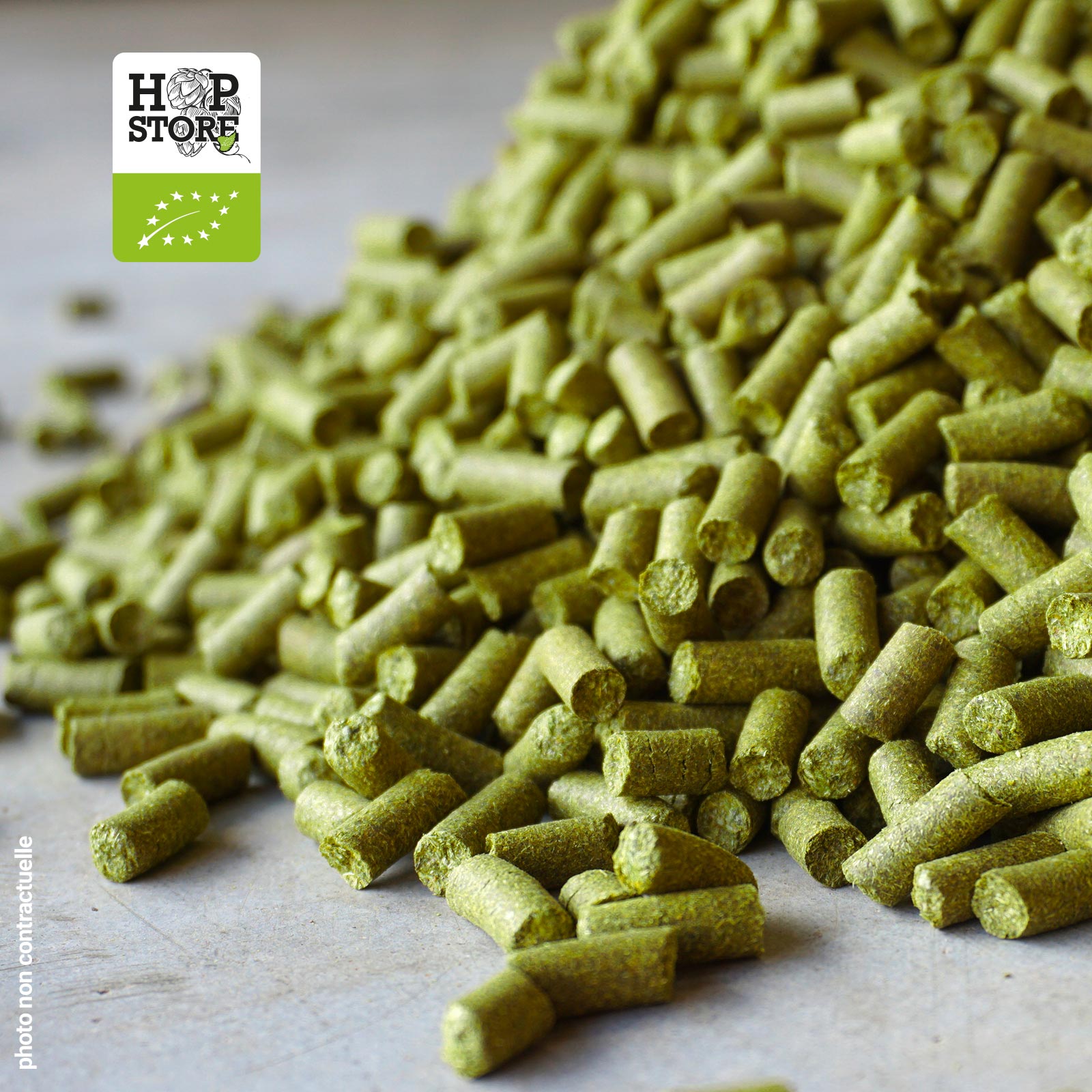
Origin: Czech Republic Hop Type: Aromatic Form: Pellets